
About Jodō
Jodō is one of the 3 arts of the ZNKR sandō (3 dō). Jodō is a little different to iaidō and kendō in that the actual outcome in all the kata scenario is not the dispatch of an enemy but a forced acquiescence. Jodō consists of paired kata between tachi and jo. The names "tachi" refer to both the wooden sword and the person wielding it, and similarly jo refers to both the 4 shaku (128 cm) oak staff and the person wielding it. Tachi is always the aggressor, and is subdued and forced to admit defeat by jo.
One of the more interesting aspects of jo is that the techniques in the kata are not pretending to strike or cut as in iaidō or kendō, what we do in the kata is the actual technique that would be used in reality. In iaidō we need to imagine the enemy because of course we cannot cut through people in training. The same with kendō, our cuts must stop at the bogu for the same reason as iaidō, but also because a shinai is not a shinken so it can't physically cut anyway. With jo though there is no lethal strike that is held back for the sake of practice, it is all about convincing the aggressor to back down and withdraw from the fight so the techniques and actions that we aim to do in training would be the same as "in real life" as such (as a budō, there is no what would you do in real life aspect to jodō though of course).
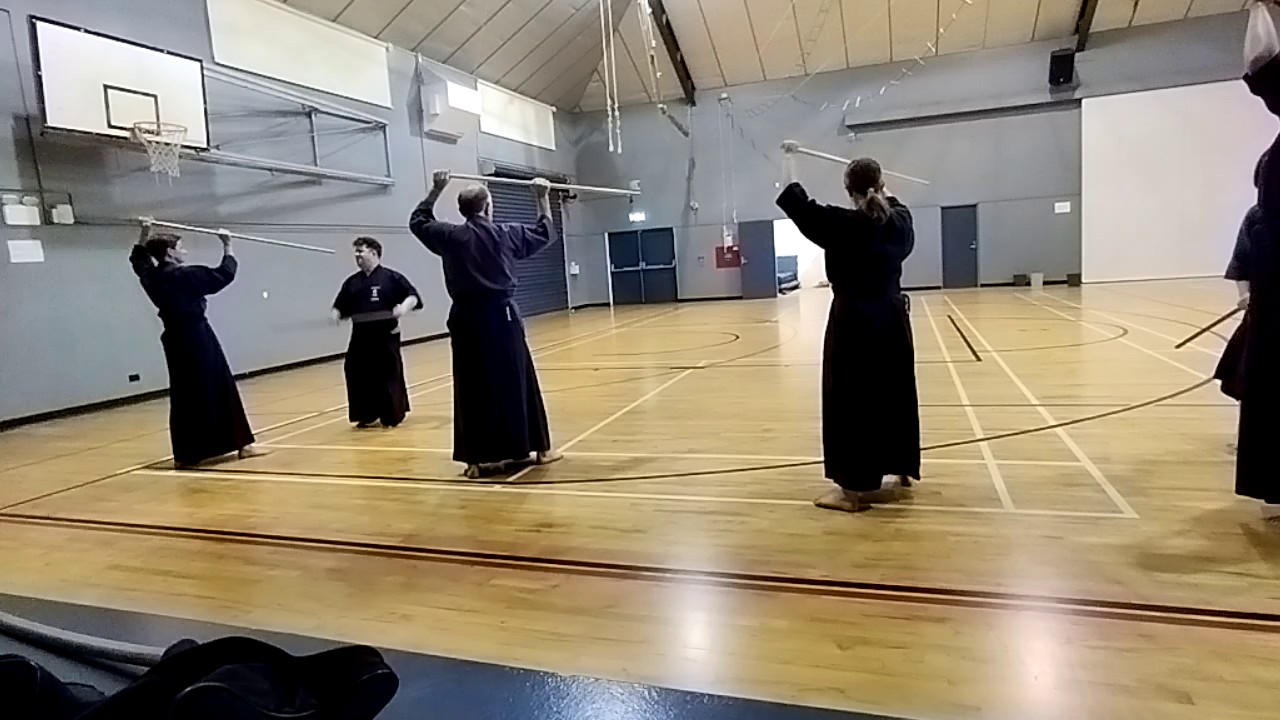
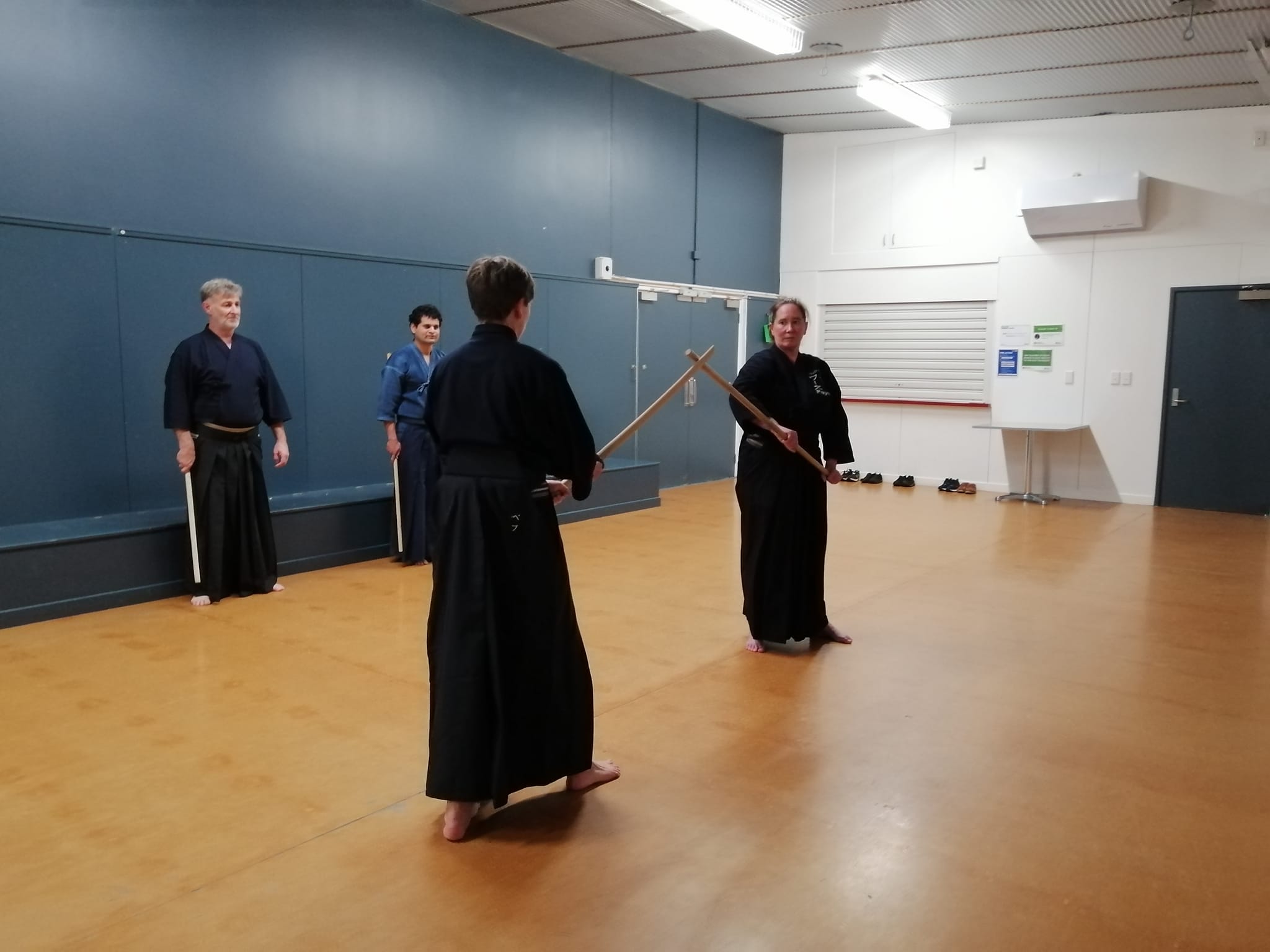
Jodō is the budō established on the jojutsu of Muso Gonnosuke, who was reportedly the only person to have defeated MIyamoto Musashi in a duel. The jo is a very flexible weapon and can take on characteristics of other weapons such as the sword, spear or naginata depending on how it is used. While the jo can be lethal, the purpose of jodō is to stop the fight before it reaches that stage and the real skill in jodō is to be able to control and defeat the person with the sword without hurting them unnecessarily.
The main techniques in jodō are blocking and redirecting cuts from the tachi and controlling the sword, and piercing the defense of tachi to send a strong threating message which prompts tachi to withdraw from the engagement. In Seitei Jo the actions are safe and strictly defined, though still very powerful. In Shinto Muso-ryu koryu jo, the actions are a bit more energetic and very strong and it is easier to see how effective the jo would be in the hands of a skilled person.
Jodō has the usual benefits of other budō in that it builds a strong character, confidence, understanding of both self and other, and so on. Jodō also requires a degree of mental power and preciseness, and a very good sense of maai (range , distance) and control. The ZNKR video for seitei jo shows what jodō is like.
While with all ZNKR seitei, the techniques and details change over time, meaning there will be outdated content, the video shows the nature of jodō well.